
I Ching wiki
A calm, source-linked wiki entrance to the I Ching Atlas.
Route
This entrance opens the Atlas from a different angle. The images, terms and routes stay connected to the same carefully built map of context.
Open the AtlasAtlas fields
Hexagrams
The 64 situations of change, read as patterns and fields of questioning.
Open fieldSymbols
Trigrams, yin-yang and core images as a visual context layer.
Open fieldPatterns
Recurring movements such as timing, stagnation, growth and return.
Open fieldTradition
People, schools and voices around text, ordering, commentary and transmission.
Open fieldPlaces
Regions and landscapes that carry historical context.
Open fieldHistory
Events and textual layers that shaped the I Ching tradition.
Open fieldHistory, philosophy and practice without noise
Text layers
Zhouyi, Yijing, commentaries and translations remain recognisable as different layers.
History
Myth, traditional attribution, archaeology and later reception are not mixed together.
Philosophy
Change, relation and timing are shown as context, not as dogma or prediction.
Practice
Question language, changing lines and consultation stay reflective, safe and traceable.
Starting points
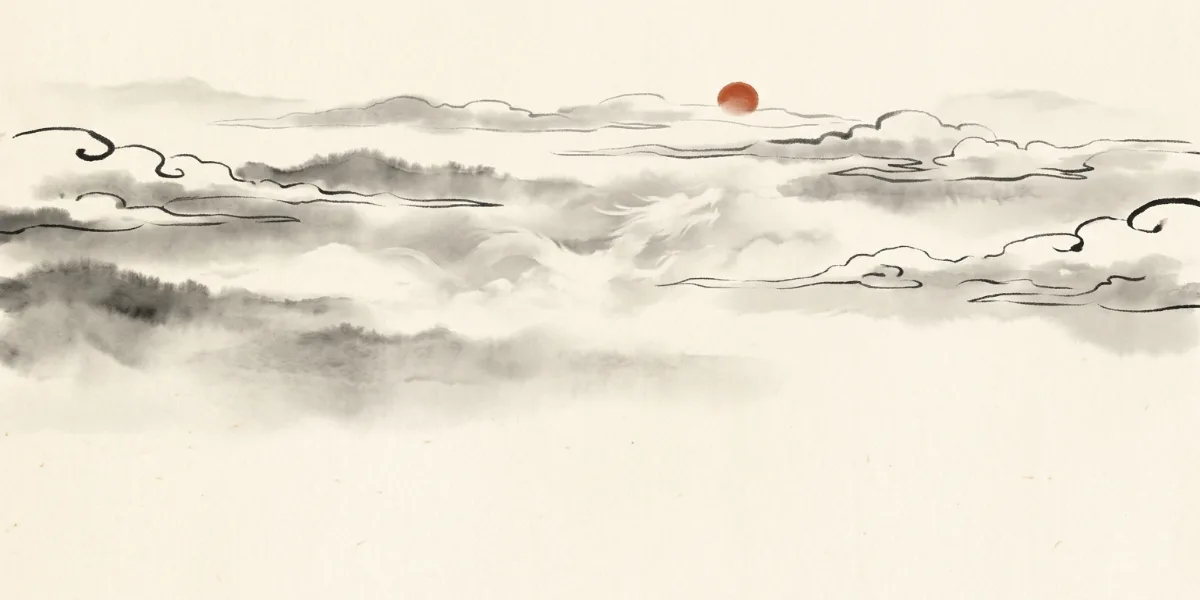 Heaven
A visual symbol used as context for reading change.
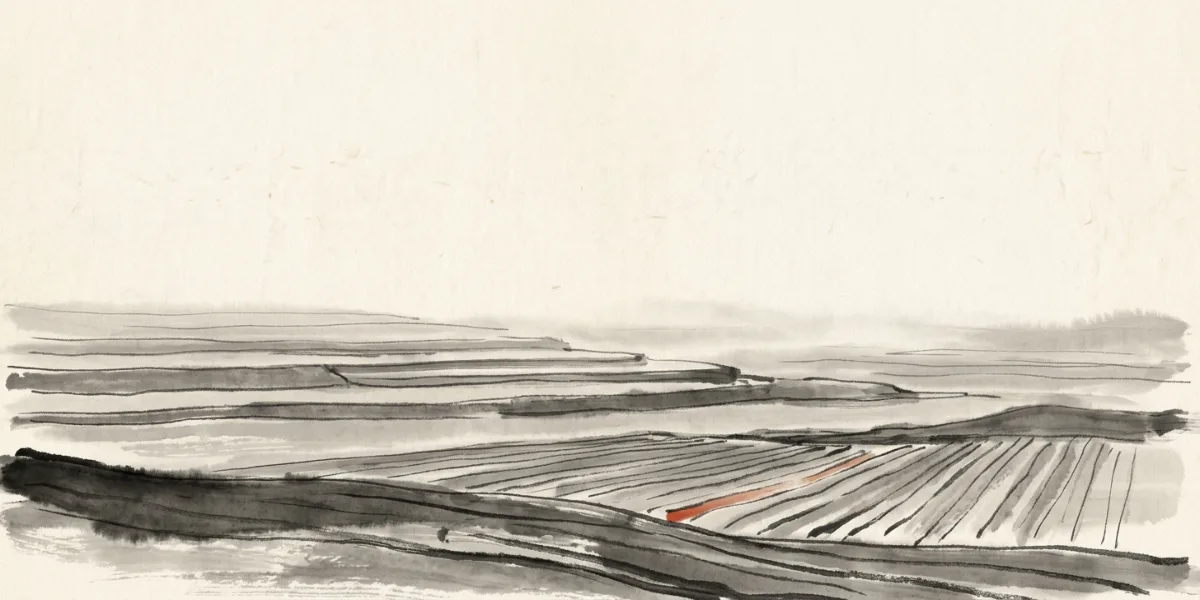 Earth
EarthA visual symbol used as context for reading change.
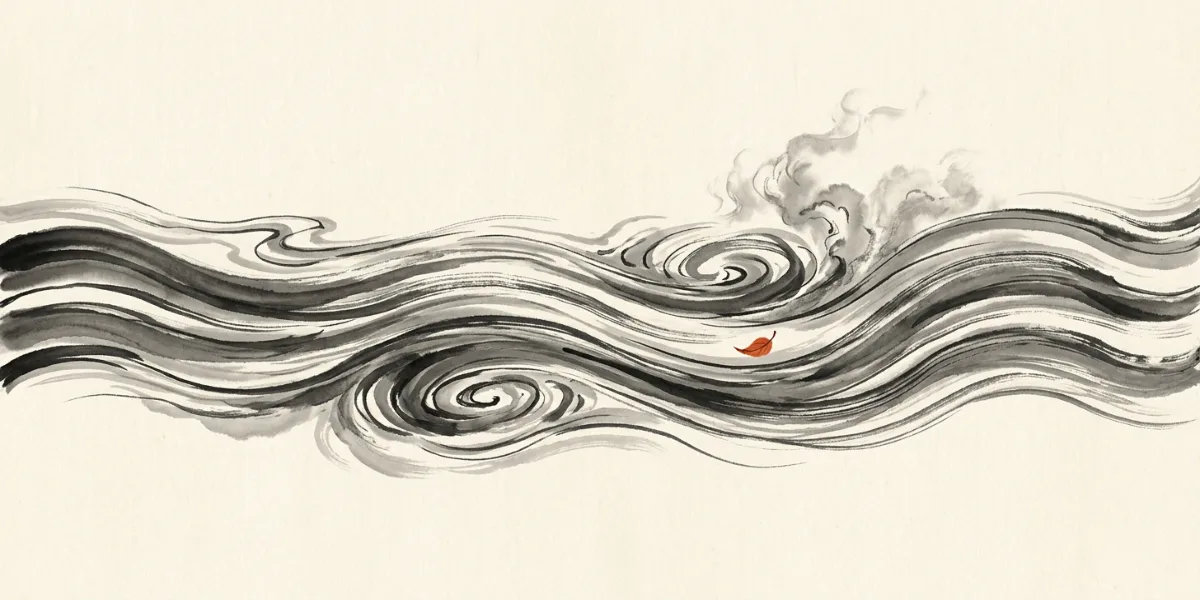 Water
WaterA visual symbol used as context for reading change.
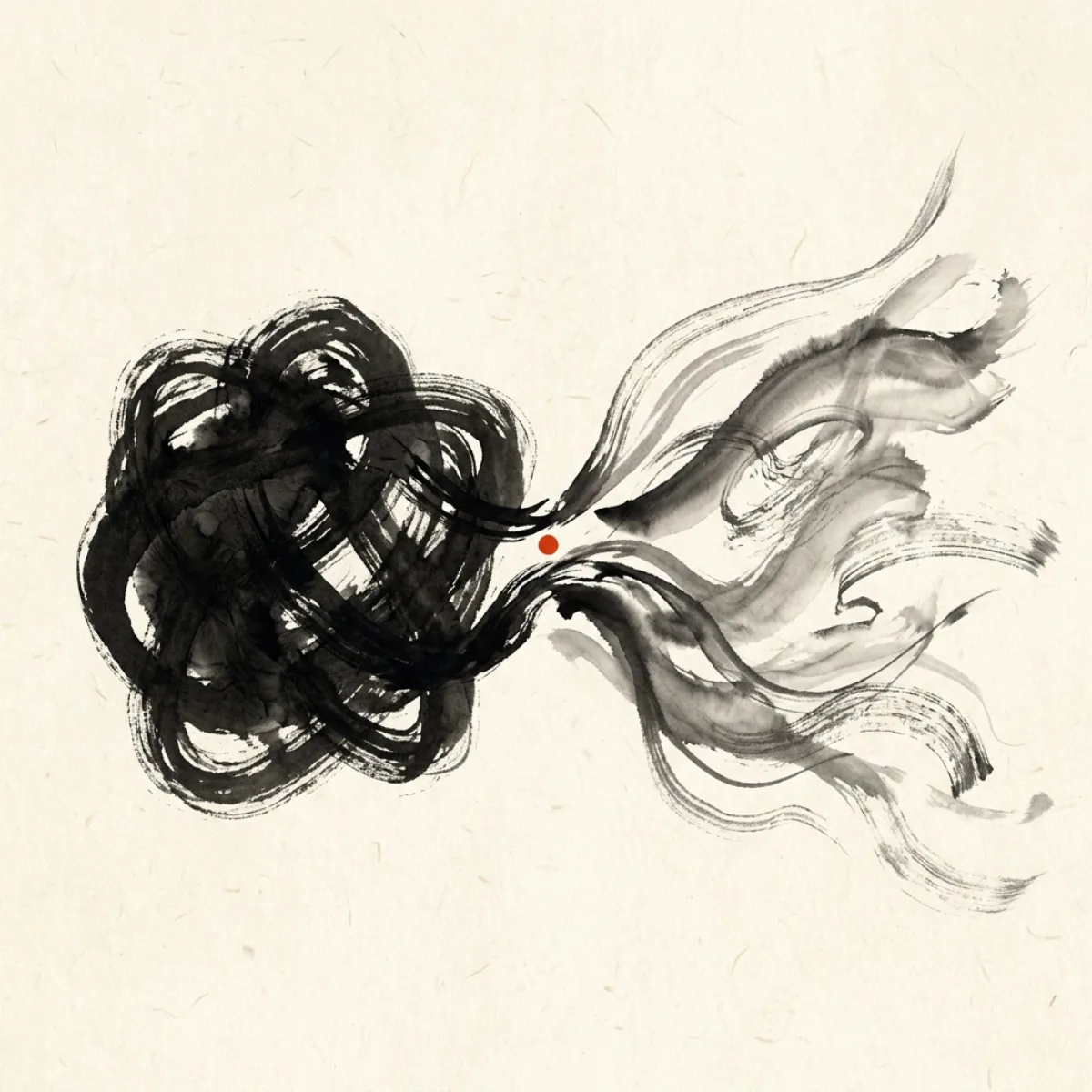
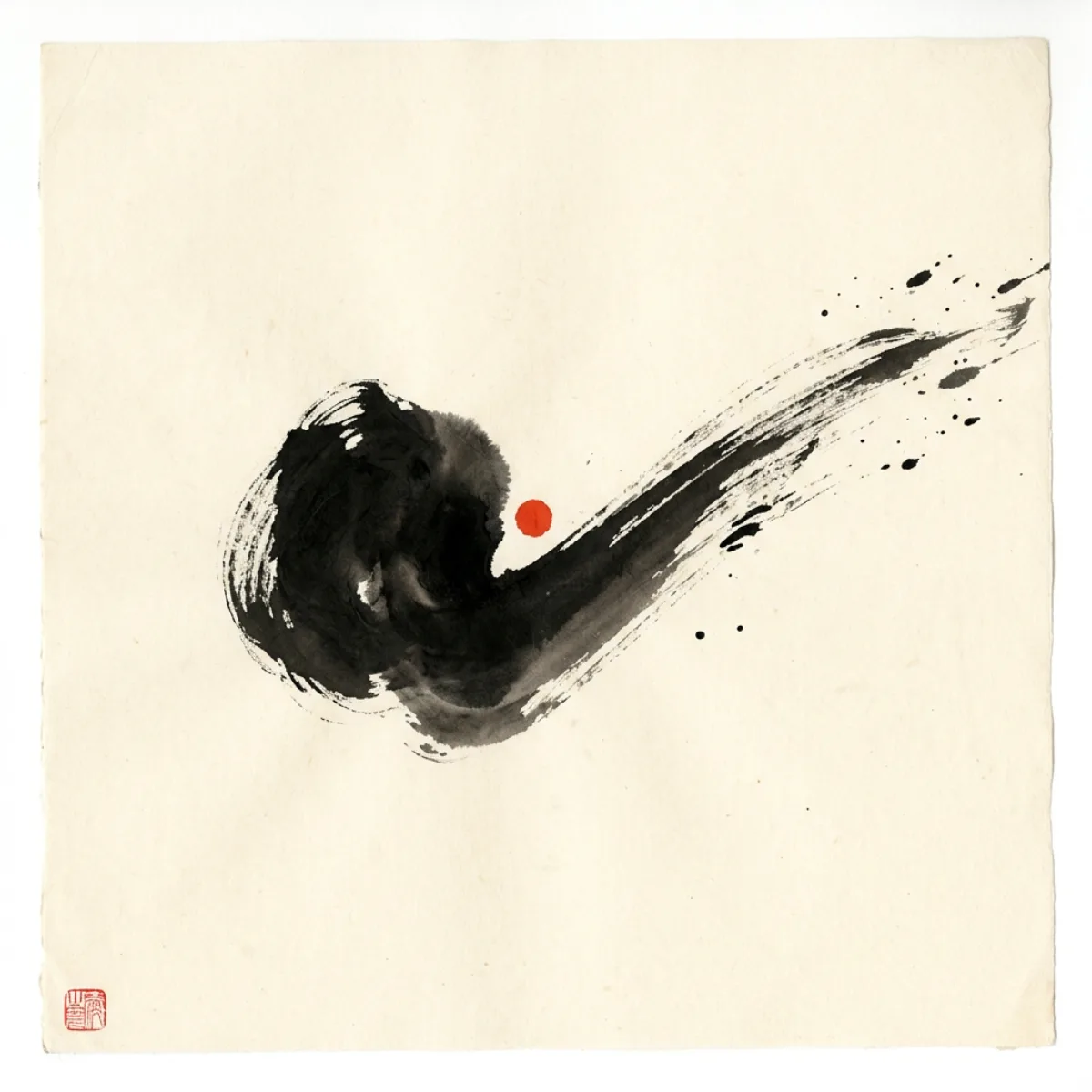 Waiting or Acting
A recurring movement that helps connect question language to source-backed context.
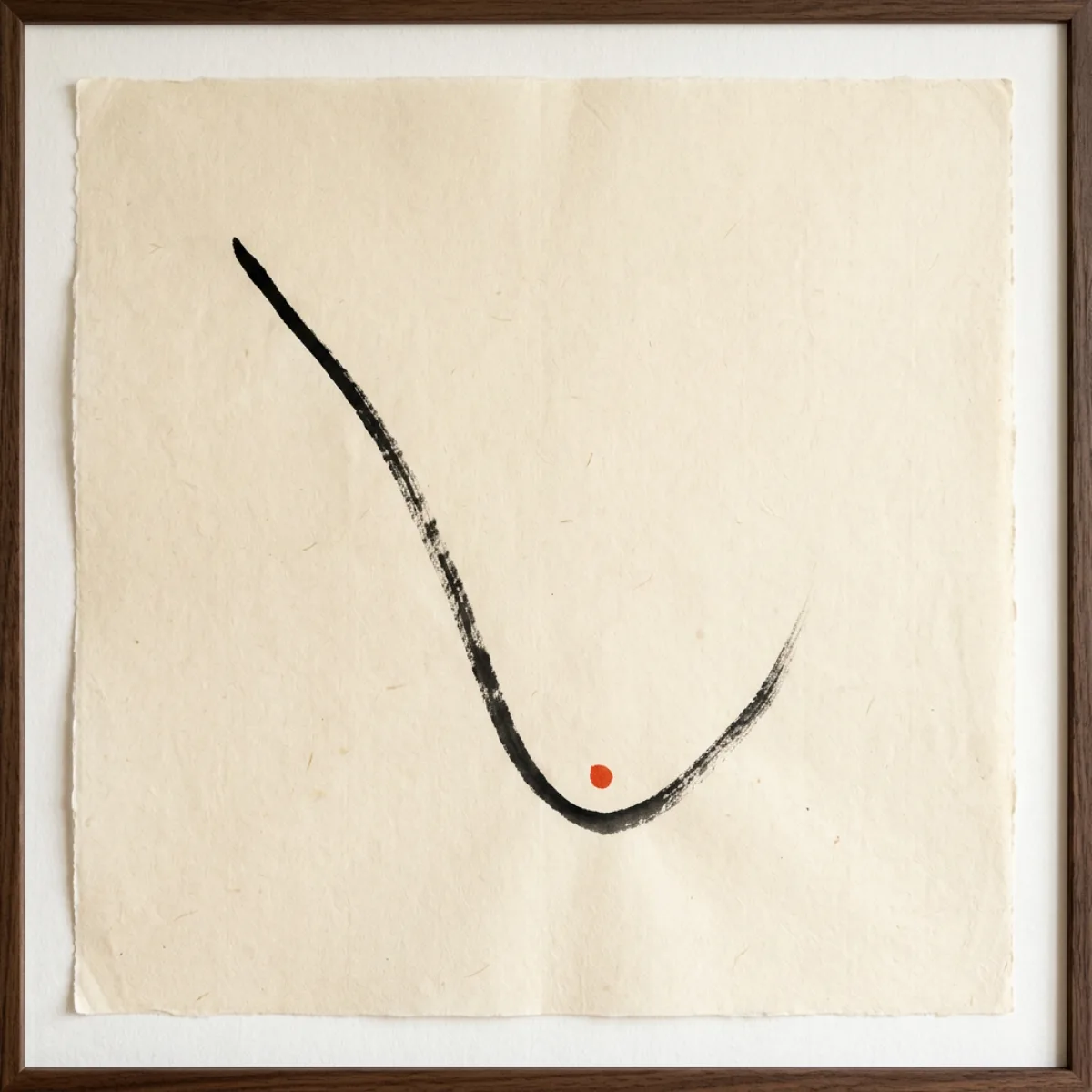
 Getting Stuck
A recurring movement that helps connect question language to source-backed context.
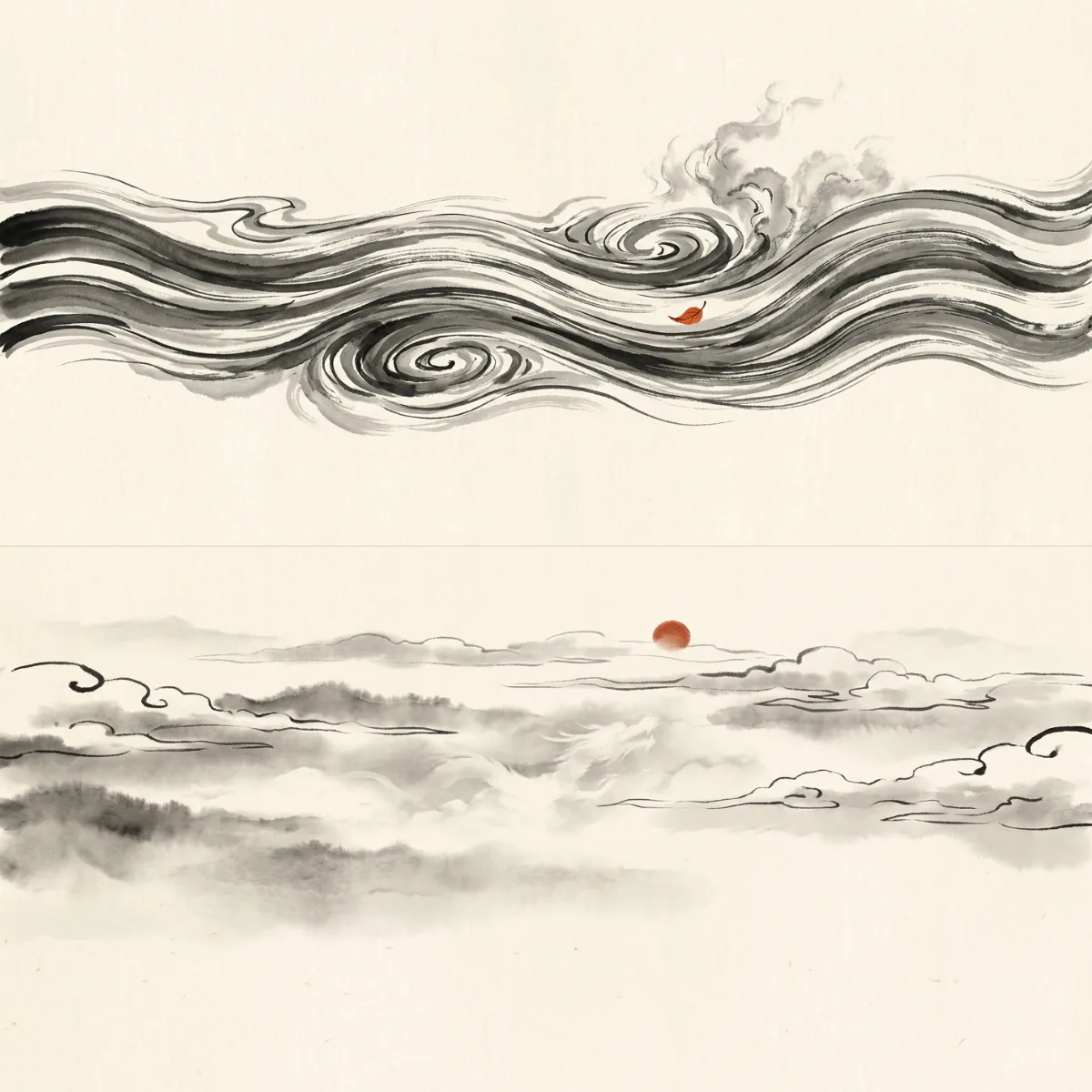
 Return
A recurring movement that helps connect question language to source-backed context.
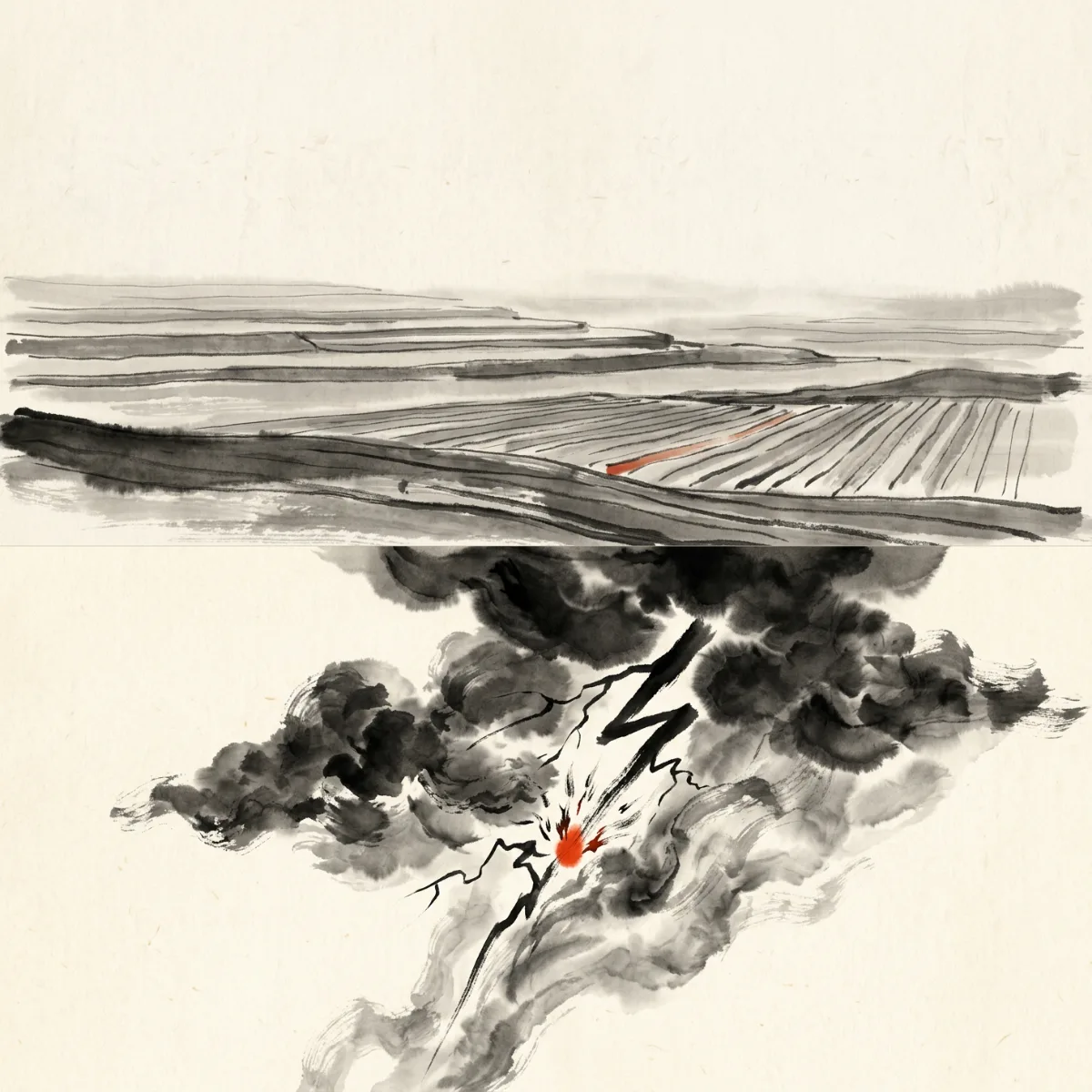
 5. Waiting
A source-linked hexagram entry in the I Ching Atlas.
 24. Return
A source-linked hexagram entry in the I Ching Atlas.
 31. Resonance
A source-linked hexagram entry in the I Ching Atlas.